Master evidence-based diagnostic frameworks, PALM-COEIN classification, and targeted treatment strategies to confidently evaluate and manage abnormal uterine bleeding.
Abnormal uterine bleeding (AUB) is one of the most frequent yet clinically complex presentations encountered across primary care, emergency, and specialist healthcare settings. While common, it can signal a wide spectrum of underlying conditions ranging from benign hormonal disturbances to serious pathology. Effective assessment and timely management are essential to reduce symptom burden, prevent complications such as anaemia, and ensure appropriate escalation of care.
This practical course provides healthcare professionals with a structured approach to the assessment and management of abnormal uterine bleeding across different age groups and clinical contexts. Participants will explore normal versus abnormal menstrual physiology, key diagnostic pathways, evidence-based treatment options, and red-flag indicators requiring further investigation or referral. Through real-world case examples, the session strengthens clinical reasoning and supports improved patient outcomes in women presenting with menstrual and bleeding concerns.
Key Topics Discussed:
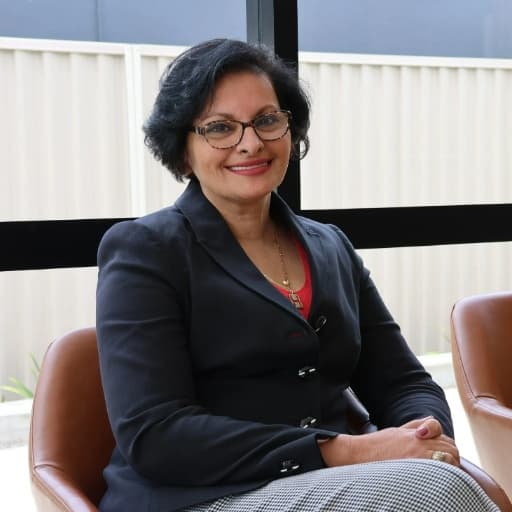
Director, Gynaecologist Specialist | Women’s Health Road
A/Prof Talat Uppal is a specialist gynaecologist with a clinical and research focus on abnormal uterine bleeding (AUB), including heavy menstrual bleeding (HMB) and iron deficiency. She is Director of Women's Health Road (WHR), a multidisciplinary women's health service in Sydney, and founder of Australia's first AUB Management Hub. She is a Clinical Associate Professor in Obstetrics & Gynaecology at Macquarie University and Visiting Medical Officer at Hornsby Ku-ring-Gai and Macquarie University Hospitals. She co-founded the Bleed Better Initiative, the charity behind International Heavy Menstrual Bleeding Day (11 May), and is a member of the FIGO Committee on Menstrual Disorders and Related Health Impacts. A Fellow of RANZCOG, the Australian Association for Quality in Health Care, and the Australian College of Health Service Management, she holds an ASUM Diploma of Diagnostic Ultrasound and has received the RANZCOG Conspicuous Service Medal. A dedicated clinical educator supporting the vital role of General Practitioners in women's health, she regularly contributes to articles, podcasts, panels, and media interviews on AUB management. Passionate about digital health, she also serves as an ambassador for Heidi, Australia's largest AI scribe company.
Professional development requirements vary by profession, country, and regulatory body. Before enrolling, review the course details and confirm that the content, learning format, and any listed credits meet your specific requirements. You are responsible for confirming eligibility with your regulator or professional association and keeping the records required for reporting.
