
search
Master the critical inquiries that expose hidden risks, challenge management assumptions, and transform your audit committee into a powerhouse of corporate governance.
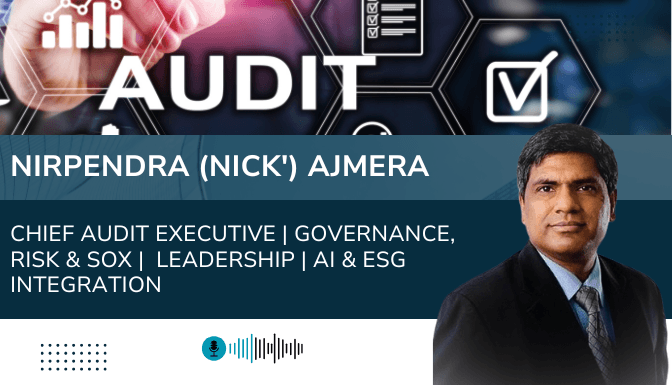
Audit committees are operating in an environment of rapidly increasing complexity, where traditional oversight approaches are no longer sufficient. From emerging technology risks and AI governance to cyber resilience, talent pressures, and cultural oversight, expectations of audit committees continue to expand faster than many boards can adapt.
This session, Audit Committee Effectiveness: Are Boards Asking the Right Questions?, examines the growing effectiveness gap between what audit committees are expected to oversee and what they are currently able to see, challenge, and influence. Drawing on governance trends, common failure patterns, and emerging regulatory expectations, the course provides a practical framework for strengthening board oversight.
Participants will explore how information asymmetry, agenda overload, and over-reliance on management weaken challenge culture—and how Chief Audit Executives can elevate the quality of insight and reporting to support stronger governance outcomes. The session concludes with a practical self-assessment tool and a set of essential audit committee questions for 2026.
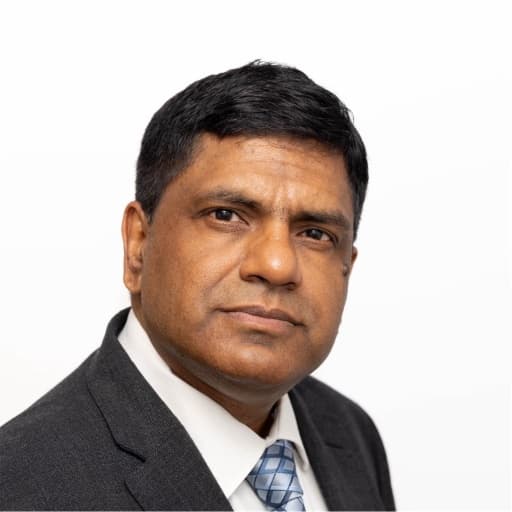
Chief Audit Executive | Governance, Risk & SOX Leadership | AI & ESG Integration
Nirpendra (“Nick”) Ajmera is a global audit and risk leader with over 20 years of experience strengthening governance, controls, and decision-making across North America, Europe, and Asia-Pacific. His work spans utilities, telecommunications, manufacturing, IT, logistics, and the public sector, where he has built and led internal audit, SOX, and enterprise risk management functions in complex, asset-intensive environments. In his role as Chief Audit Executive within a major public-sector utility, he leads risk-based audit activities and partners with senior leadership to reinforce governance, enhance accountability, and support organizational performance. His career highlights include leading risk governance during billion-dollar M&A transactions, establishing enterprise-wide audit and risk programs from the ground up, and guiding organizations through transformation and operational change. He has worked across four continents, collaborating with diverse teams and navigating varied regulatory landscapes. Nick is known for his hands-on leadership style, strong ethical discipline, and practical, business-focused approach to strengthening controls and anticipating risk. His thought leadership has been featured in Chartered Institute of Internal Auditors, Kaplan, InternalAudit360, MYCPEONE, New York Weekly, CEO Weekly, Business Today, India Today, and Hindustan Times, reflecting his commitment to advancing the profession through clear and accessible insights. He holds the CA (India), CIA, CISA, and CFE designations, combining deep technical expertise with strategic insight. Outside of his professional work, he writes on internal audit, controls, and governance, and mentors professionals in audit, finance, and risk, supporting their career development with a focus on confidence and integrity.
Professional development requirements vary by profession, country, and regulatory body. Before enrolling, review the course details and confirm that the content, learning format, and any listed credits meet your specific requirements. You are responsible for confirming eligibility with your regulator or professional association and keeping the records required for reporting.