What hormones, stress and sleep are doing to your team's performance and how the best leaders respond
Understanding Hormones, Performance and Empathy at Work
Every team is made up of human bodies; not just minds, not just motivations, not just personalities. And those bodies are governed by biology that operates largely beneath conscious awareness: hormones that shift with the time of day, the season of life, and the pressure of a deadline. Great leaders have always known that people are complex. But the most effective leaders of the next decade will understand why people behave the way they do at a physiological level and will use that understanding to lead with greater precision, empathy and impact.
This course gives you that understanding.
What this course is and what it is not
This is not a wellness course. It is not sensitivity training. It is a precision tool for leaders, HR professionals and senior executives who want a more complete and accurate picture of the human beings they are responsible for. Developed by Andrei Barburas, behavioral systems expert, intelligence analyst and founder of BARBURAS, it draws on frameworks from intelligence analysis, behavioral science, cognitive neuroscience and organizational psychology to translate complex physiology into clear, actionable leadership insight.
Six modules. Two hours. One complete picture.
Module 1 challenges the myth of the rational employee and introduces the concept of biological empathy; the ability to understand that performance is shaped by physiology, and to lead from that understanding.
Module 2 explores the female hormonal landscape at work; the four phases of the menstrual cycle, their distinct impact on energy, creativity and communication, and the professional reality of perimenopause and menopause that most organizations are wholly unprepared for.
Module 3 brings the same depth to the male hormonal landscape; daily testosterone rhythms, the gradual lifespan decline, and andropause: the silent performance shift that is consistently misread as disengagement, complacency or loss of drive.
Module 4 examines the stress response; what cortisol and adrenaline do to the brain and body under chronic activation, the six organizational triggers that keep stress hormones elevated, and how to design lower-stress, higher-performance environments through meeting culture, communication norms and recovery design.
Module 5 goes deep into sleep and circadian rhythms; the cognitive cost of sleep deprivation, the science of chronotypes, and why the default professional schedule systematically disadvantages a significant portion of any workforce based on biology rather than commitment or capability.
Module 6 brings everything together as action; a personal 30-day experiment, cultural and policy levers for systemic change, and a framework for having more honest, more precise conversations about human performance without crossing medical or personal boundaries.
Why this course belongs in your CPD portfolio
The biological dimension of human performance is the most consistently overlooked layer in leadership development. Understanding it does not replace the psychological and motivational frameworks you already use; it gives them a deeper, more accurate foundation. This course is eligible for CPD/CE credits and is designed for professionals across industries who lead people, develop talent, or shape organizational culture.
Who this course is for
Managers and team leads seeking a deeper understanding of human performance. HR professionals developing more effective and inclusive people strategies. Senior leaders building high-performance, psychologically safe cultures. L&D specialists looking for a distinctive, evidence-based addition to leadership programmes. Coaches and consultants working with leadership teams.
Biology in the boardroom is not a radical idea. It is simply an honest one. And honest leadership is always the most effective kind.
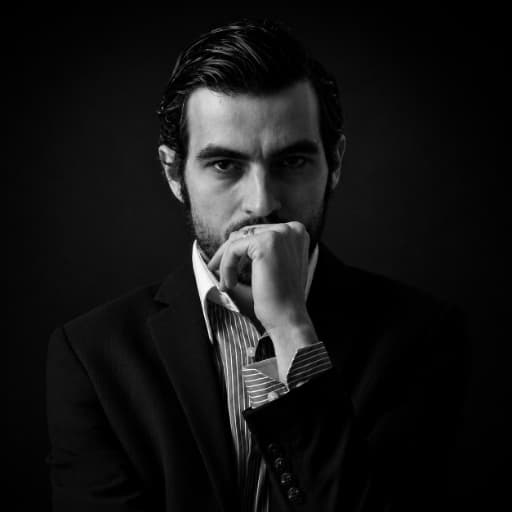
Founder at BARBURAS, where strategy meets substance
I operate at the intersection of information management, intelligence gathering, and human cyber risk; designing systems that make sense of complexity and uncover what often remains unseen. My background includes deep research in terrorism and counter-terrorism, with a focus on behavioral patterns, digital vulnerabilities, and the narratives that drive radicalization and control. Whether it's building intelligence frameworks or mitigating risk through human-centered design, I work to translate complexity into action. Alongside this, I lecture in Ethics, Communication Management and International Entrepreneurship, guiding students through the shifting terrains of strategy, storytelling, and value creation in a digital world.
Professional development requirements vary by profession, country, and regulatory body. Before enrolling, review the course details and confirm that the content, learning format, and any listed credits meet your specific requirements. You are responsible for confirming eligibility with your regulator or professional association and keeping the records required for reporting.
