Build physical and digital spaces that drive deep engagement, maximize knowledge retention, and translate educational experiences into measurable real-world results.
Educational facilities are among the most complex building types architects undertake. They must support evolving pedagogical models, accommodate diverse user groups, remain adaptable over decades of operation, and deliver meaningful outcomes for students, educators, and communities. Balancing these requirements within budget, site, regulatory, and operational constraints requires careful design judgement throughout the project lifecycle.
Across Australia and New Zealand, schools are increasingly expected to provide environments that support wellbeing, collaboration, inclusivity, and sustainability while responding to changing educational priorities. Architects must navigate competing stakeholder expectations, integrate future-focused learning principles, and translate educational aspirations into practical, buildable solutions that remain effective long after project completion.
This session explores the design, planning, and delivery of contemporary learning environments through the lens of educational architecture. Participants will examine how learning objectives influence spatial planning decisions, how community and institutional priorities shape project outcomes, and how architects can create environments that remain resilient as educational needs evolve. The session will draw on lessons from a range of school and community projects, highlighting design strategies, implementation challenges, and key decision points encountered throughout project delivery.
Participants will gain practical insights into designing educational facilities that support learning outcomes, strengthen community connections, and deliver lasting value for clients, users, and stakeholders. Particular attention will be given to balancing design ambition with operational realities, long-term adaptability, and sustainable project outcomes.
Key Topics Discussed:
• The evolution of learning environments across Australia and New Zealand
• Translating educational objectives into architectural outcomes
• Designing for flexibility, adaptability, and future growth
• Balancing pedagogical, operational, and budgetary requirements
• Stakeholder engagement and managing competing priorities
• Community-focused educational facilities and shared-use models
• Wellbeing, inclusivity, and belonging in school design
• Sustainability considerations in educational architecture
• Lessons learned from local and international education projects
• Long-term performance, resilience, and post-occupancy considerations
• Design decision-making throughout planning, design, and delivery phases
• Emerging trends influencing future learning environments in the region

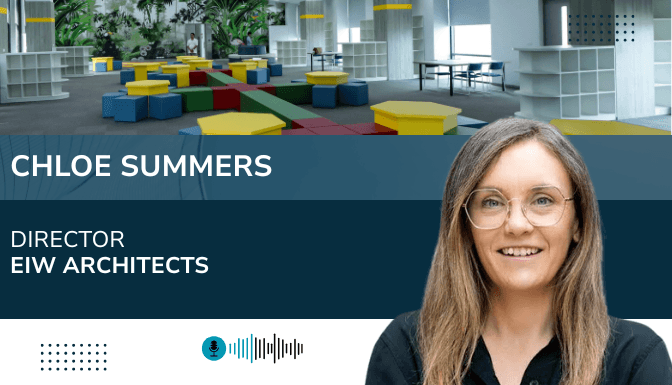
Director | EIW Architects
Chloe focuses on architecture that positively impacts communities, driven by the belief that well-designed spaces can empower future leaders. Her innovative, human-centric designs have strengthened client relationships, particularly in creating dynamic learning environments. With significant achievements in educational architecture both in Australia and internationally, Chloe, a Design Architect excels in master planning and workshop coordination, emphasising spaces that are both functional and transformative, reflecting a deep commitment to enhancing educational settings.
Professional development requirements vary by profession, country, and regulatory body. Before enrolling, review the course details and confirm that the content, learning format, and any listed credits meet your specific requirements. You are responsible for confirming eligibility with your regulator or professional association and keeping the records required for reporting.
