
search
Turn natural terrain, light, and climate into powerful architectural assets for smarter, more sustainable, and beautifully integrated structures.
Many projects treat landscape as something to be accommodated once a building has been designed. Yet site topography, hydrology, solar orientation, vegetation, microclimate, views, ecology, and movement patterns often have a greater influence on long-term building performance than decisions made later in the design process. As architects respond to increasingly complex environmental, planning, and user requirements, site-responsive design is becoming a critical tool for improving both project outcomes and placemaking quality.
This session examines landscape-led architecture from a practical design and delivery perspective. The course explores how natural systems, environmental analysis, and site-specific conditions can inform building form, orientation, spatial organisation, and user experience. Participants will gain practical insight into how architects can use landscape as a design generator to improve building performance, strengthen place identity, and create more resilient and enduring projects.
Key Topics Discussed:

Director | Atelier Architecture + Design
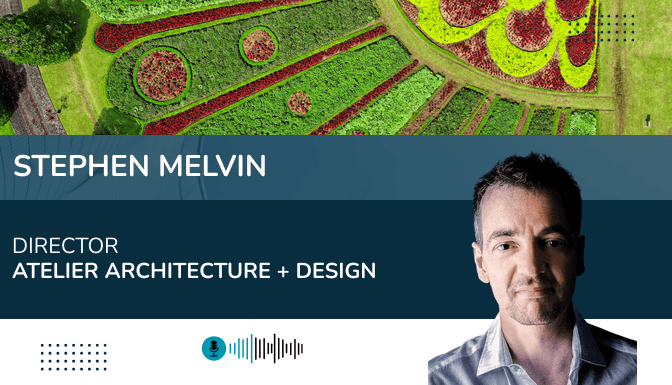
Stephen Melvin is a Chartered Architect and the Founder and Director of Atelier Architecture + Design, an award-winning architectural practice recognized for its landscape-led, sustainable approach to design. With decades of experience across residential, commercial, leisure, and community projects, he is known for creating architecture that responds sensitively to both people and place. Stephen has championed a design philosophy that integrates architecture with the natural environment, developing Atelier's distinctive "Pioneer Nature Method," which combines scientific research, landscape analysis, and client vision to create sustainable and enduring spaces. His work focuses on regenerative design, biophilic principles, and the long-term relationship between buildings, landscapes, and human wellbeing. A respected voice within the architectural profession, Stephen regularly contributes to industry discussions on sustainability, landscape-led design, and the experiential qualities of architecture. He has been featured in publications including the Journal of Biophilic Design and Architecture Today, and has been invited to serve as a jury member for the 2026 World Architecture Festival. Through his practice and thought leadership, he continues to advocate for architecture that not only performs effectively but also creates meaningful connections between people, nature, and place.
Professional development requirements vary by profession, country, and regulatory body. Before enrolling, review the course details and confirm that the content, learning format, and any listed credits meet your specific requirements. You are responsible for confirming eligibility with your regulator or professional association and keeping the records required for reporting.