The present course introduces engineers to the National Society of Professional Engineers Code of Ethics.

Engineers practicing their profession encounter not only technical issues but also ethical issues. Sometimes the latter issues are easy to resolve: applying everyday, common-sense notions of honesty, openness, responsibility, and lawfulness is sufficient to guide the engineer to the appropriate decision. At other times, however, matters are more complicated. In particular, knowing what to do when two or more duties or obligations conflict can be difficult. For example, an engineer's duty to his client or employer may conflict with the engineer's duty to the general public. Codes of ethics have been formulated to help engineers address these conflicts. The present course introduces engineers to the National Society of Professional Engineers Code of Ethics. The Code provides ethical guidance to engineers in their various and often simultaneously held roles as: 1) guardians of public health, safety, and welfare 2) employees, 3) employers, and 4) providers of technical service to clients.
Topics: This course teaches the following specific knowledge and skills: The six Fundamental Canons of the Code The five Rules of Practice The nine Professional Obligations Definition of "Sustainable Development" The scope of the Supreme Court decision regarding NSPE, competitive bidding, and antitrust law Intended Audience: This course is intended for all disciplines of engineers. Publication Source: National Society of Professional Engineers
2 activities • 1 chapters • duration: 1 hour
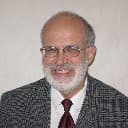
Civil Engneering faculty member for 27 years
Dr. Rossow is a graduate of the University of Michigan with B.S., M.S., and Ph.D. degrees. He is a licensed Professional Engineer in the State of Illinois. He taught civil engineering for over 35 years, including six years at Washington University in St. Louis and 29 years at Southern Illinois University Edwardsville, where he was the Chair of the Civil Engineering Department for ten years. His areas of expertise are in civil engineering and mechanics. He has consulted for various organizations, including government agencies and an international offshore drilling company. He has published numerous technical journal articles and technical reports for a variety of governmental agencies and private sector organizations. Mark P. Rossow, PE, PhD Licensed Professional Engineer in State of Illinois License No. 062.040560 Dr. Rossow is a graduate of the University of Michigan with B.S., M.S., and Ph.D. degrees. He taught civil engineering for over 35 years, including six years at Washington University in St. Louis and 29 years at Southern Illinois University Edwardsville, where he was the Chair of the Civil Engineering Department for ten years. His areas of expertise are in civil engineering and mechanics. He has consulted for various organizations, including government agencies and an international offshore drilling company. He has published many journal articles and technical reports.
Professional development requirements vary by profession, country, and regulatory body. Before enrolling, review the course details and confirm that the content, learning format, and any listed credits meet your specific requirements. You are responsible for confirming eligibility with your regulator or professional association and keeping the records required for reporting.
good course
Yes it was
The study materials were ell organized, straight forward and concise related to the subject matter, hitting on all the relevant aspects of engineering ethics, which served as a good refresher course and prepared those taking the course to pass the exam. I did think that there would be a powerpoint presentation and a speaker, but I did not mind reading the material, and there was good reference material provided indicating where the reader could get further information if desired on past cases of ethics violation and specific relevant rules.
