In this online engineering PDH course, the costs of solar photovoltaic systems installed on floats anchored in bodies of water are estimated.
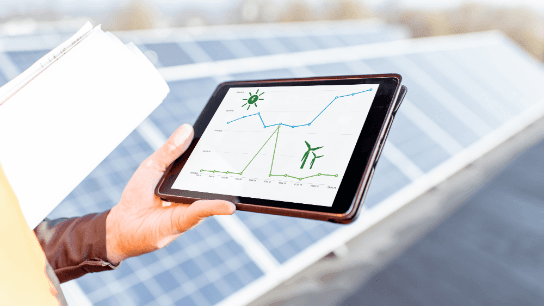
In this online engineering PDH course, the costs of solar photovoltaic systems installed on floats anchored in bodies of water are estimated. Typical bodies of water used include industrial ponds, hydropower reservoirs, agricultural ponds, and flood control reservoirs. Floating photovoltaic (FPV) systems are advantageous in places where land use is constrained, land is not easily accessible, or land leasing is expensive and a body of water is available. In this course, an analysis of the installed costs for a FPV system constructed for average site conditions shows that the FPV system costs are approximately 25% higher than ground-mounted, fixed-tilt PV installed over bare ground.
Higher structural costs related to the floats and anchoring system are the largest contributors to the increased cost. FPV deployment is in an early stage, and additional experience, best practice development, and new configurations and technologies might help reduce the costs of FPV systems over time. This course is intended for civil, mechanical, environmental, and electrical engineers concerned with the design and installation of photovoltaic systems. This course includes a true/false and multiple-choice quiz at the end, which is designed to highlight the general concepts of the course material.
This course is based on the National Renewable Energy Laboratory report: Ramasamy, Vignesh and Robert Margolis. 2021. Floating Photovoltaic System Cost Benchmark: Q1 2021 Installations on Artificial Water Bodies. Golden, CO: National Renewable Energy Laboratory. NREL/TP-7A40-80695. https://www.nrel.gov/docs/fy22osti/80695.pdf.
2 activities • 1 chapters • duration: 1 hour
Civil Engneering faculty member for 27 years
Dr. Rossow is a graduate of the University of Michigan with B.S., M.S., and Ph.D. degrees. He is a licensed Professional Engineer in the State of Illinois. He taught civil engineering for over 35 years, including six years at Washington University in St. Louis and 29 years at Southern Illinois University Edwardsville, where he was the Chair of the Civil Engineering Department for ten years. His areas of expertise are in civil engineering and mechanics. He has consulted for various organizations, including government agencies and an international offshore drilling company. He has published numerous technical journal articles and technical reports for a variety of governmental agencies and private sector organizations. Mark P. Rossow, PE, PhD Licensed Professional Engineer in State of Illinois License No. 062.040560 Dr. Rossow is a graduate of the University of Michigan with B.S., M.S., and Ph.D. degrees. He taught civil engineering for over 35 years, including six years at Washington University in St. Louis and 29 years at Southern Illinois University Edwardsville, where he was the Chair of the Civil Engineering Department for ten years. His areas of expertise are in civil engineering and mechanics. He has consulted for various organizations, including government agencies and an international offshore drilling company. He has published many journal articles and technical reports.
Professional development requirements vary by profession, country, and regulatory body. Before enrolling, review the course details and confirm that the content, learning format, and any listed credits meet your specific requirements. You are responsible for confirming eligibility with your regulator or professional association and keeping the records required for reporting.
Very interesting material
very interesting information
