Harness the brilliance of Maya and Aztec engineering to design resilient, culturally grounded, and sustainable spaces for the modern world.
For centuries, Mesoamerican civilizations developed sophisticated architectural traditions that integrated urban planning, environmental adaptation, civic organisation, and cultural identity into the built environment. Their approaches to settlement planning, public space, infrastructure, and landscape stewardship demonstrate a deep understanding of place, resilience, and long-term sustainability. As architects increasingly seek context-sensitive and regenerative design solutions, these Indigenous principles offer valuable perspectives that remain relevant to contemporary practice.
This session explores the architectural and planning traditions of Mesoamerican societies, examining how Indigenous design principles can inform modern approaches to placemaking, sustainable development, and resilient urban environments. Through historical examples and contemporary applications, participants will consider how lessons from Indigenous architecture can support more environmentally responsive, culturally informed, and community-focused design outcomes.
Key Topics Discussed:
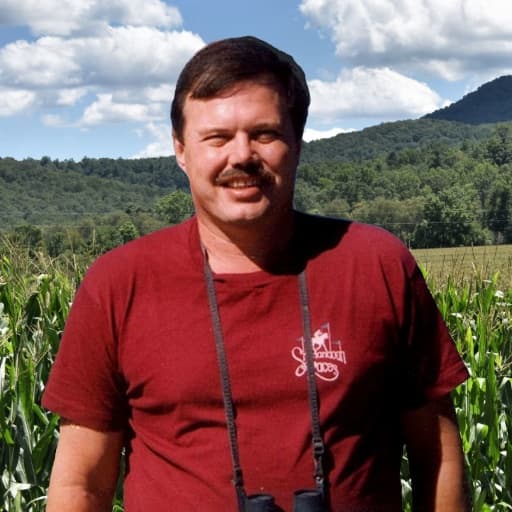
Professional Architect, Urban Planner, Architectural History Researcher and Author
Richard Leon Thornton is a Professional Architect, Urban Planner, Architectural History Researcher and Author. He holds a Professional Degree in Architecture from the Georgia Institute of Technology and an M.S. in Urban Planning from Georgia State University. While at Georgia Tech, he was the recipient of the first Barrett Fellowship, which enabled him to study Mesoamerican Architecture under the tutelage of the internationally famous archaeologist, Dr. Román Piña Chan. He obtained national accreditation for both professions five decades ago. Since then, he has had extraordinary professional career with projects in many locations. His architecture & planning work has won ten state awards, four national awards and two international awards. Reflecting his profound history in historic and ancient architecture, Richard is also a member of The National Trust for Historic Preservation, the American Institute of Archaeology, the Southeastern Archaeological Conference and the Society for Georgia Archaeology. In 2014, The National Trust named him one of the top 40 Architectural History Researchers in the USA. Ironically, Richard considers his most significant accomplishment, to date, to be the discovery of the original manuscript of the Creek Migration Legend in 2015. It was lost, after being shipped from Savannah to King George II by General James Edward Oglethorpe on July 7, 1735. This was made possible by the essential assistance of (the) HRH Prince Charles and his Asst. Private Secretary, Dr. Grahame Davies. The manuscripts are now on display at Ocmulgee National Historical Park. During the past two decades, his activities have expanded beyond the realm of traditional professional practice. For five years, he was the National Architecture Columnist for the Examiner and has published 16 books on Architectural or Native American History. In recent years, he has been a key cast member in several nationally or internationally broadcast television documentaries on Native American architecture. During 2004 to 2008, Richard carried out a series of architectural research projects for the Muscogee-Creek Nation in Oklahoma, whose output were a series of large architectural models of ancestral Creek towns, plus accompanying books. In late 2008, Oklahoma Creek sculptor, Dan Brook and him were retained by the Oklahoma Centennial Commission to design Oklahoma’s Trail of Tears Memorial in Council Oak Park in Tulsa. Richard was born in Waycross, GA near the Okefenokee Swamp, but his family moved to North Georgia, when he was eight. As an adult he has lived in several areas of the Southeastern United States and in Sweden.
Professional development requirements vary by profession, country, and regulatory body. Before enrolling, review the course details and confirm that the content, learning format, and any listed credits meet your specific requirements. You are responsible for confirming eligibility with your regulator or professional association and keeping the records required for reporting.
