Master cutting-edge geotechnical methods, advanced numerical modeling, and modern field tests to accurately evaluate seismic soil hazards and prevent ground failure.
Earthquake-induced liquefaction continues to present significant challenges for geotechnical engineers responsible for the design and assessment of buildings, transportation infrastructure, ports, dams, and other critical assets. While simplified assessment methods remain widely used, increasingly complex projects often require more advanced analytical techniques to accurately evaluate liquefaction potential, ground deformation, and seismic performance.
This practical course explores the evolution of liquefaction assessment from traditional screening procedures to modern nonlinear effective-stress analyses. Participants will examine the strengths and limitations of current assessment methods, the role of geological and site-specific investigations, constitutive modelling principles, and the practical application of advanced numerical analyses. Through real-world examples, the session provides guidance on selecting appropriate assessment methodologies, interpreting results, and delivering defensible engineering solutions for a range of infrastructure projects.
Key Topics Discussed:

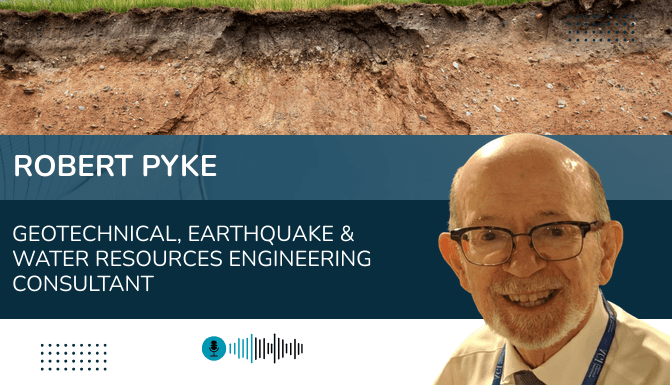
Geotechnical, Earthquake & Water Resources Engineering Consultant
Robert Pyke, Ph.D., G.E., is an independent consultant specializing in geotechnical, earthquake, and water resources engineering. He earned his Ph.D. from the University of California, Berkeley, where he studied under the late Professor Harry Seed, widely regarded as the father of earthquake geotechnical engineering. His doctoral thesis was titled Settlement and Liquefaction of Sands Under Multi-Directional Loading. Dr. Pyke is a registered Civil Engineer and Geotechnical Engineer in the State of California.
Professional development requirements vary by profession, country, and regulatory body. Before enrolling, review the course details and confirm that the content, learning format, and any listed credits meet your specific requirements. You are responsible for confirming eligibility with your regulator or professional association and keeping the records required for reporting.
