This course provides an introduction to the study of corrosion of metals.
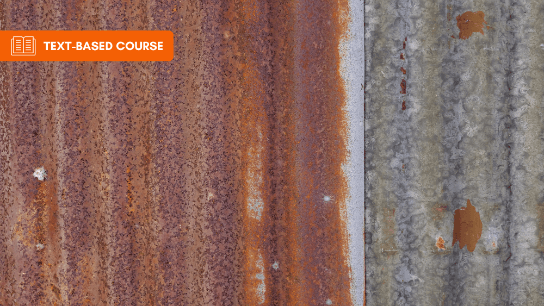
Corrosion is present to some extent in all applications of metals in engineering structures or devices. Corrosion can lead to unexpected maintenance expenses and also can produce catastrophic failure if it proceeds far enough without being observed and remedial steps taken. This course provides an introduction to the study of corrosion of metals. A basic understanding of the causes and prevention of corrosion is essential knowledge that all engineers involved in the design and maintenance of items made of metal should possess.
Topics: Corrosion theory, including corrosion as the action of an electrochemical cell, oxidation-reduction reactions, and passivity and polarization of metal Conditions leading to general corrosion and the corrosion of iron Factors affecting the rate of corrosion and the corrosion of aluminum Galvanic corrosion and its prevention Specialized corrosion such as pitting and crevice corrosion Stress corrosion cracking How the rate of corrosion is affected by various factors.
Intended Audience: suitable course for electrical, mechanical, civil, energy, chemical, environmental, construction, and industrial engineers.
Publication Source: US Dept. of Energy
Civil Engneering faculty member for 27 years
Dr. Rossow is a graduate of the University of Michigan with B.S., M.S., and Ph.D. degrees. He is a licensed Professional Engineer in the State of Illinois. He taught civil engineering for over 35 years, including six years at Washington University in St. Louis and 29 years at Southern Illinois University Edwardsville, where he was the Chair of the Civil Engineering Department for ten years. His areas of expertise are in civil engineering and mechanics. He has consulted for various organizations, including government agencies and an international offshore drilling company. He has published numerous technical journal articles and technical reports for a variety of governmental agencies and private sector organizations. Mark P. Rossow, PE, PhD Licensed Professional Engineer in State of Illinois License No. 062.040560 Dr. Rossow is a graduate of the University of Michigan with B.S., M.S., and Ph.D. degrees. He taught civil engineering for over 35 years, including six years at Washington University in St. Louis and 29 years at Southern Illinois University Edwardsville, where he was the Chair of the Civil Engineering Department for ten years. His areas of expertise are in civil engineering and mechanics. He has consulted for various organizations, including government agencies and an international offshore drilling company. He has published many journal articles and technical reports.
Professional development requirements vary by profession, country, and regulatory body. Before enrolling, review the course details and confirm that the content, learning format, and any listed credits meet your specific requirements. You are responsible for confirming eligibility with your regulator or professional association and keeping the records required for reporting.
