How to Create a Culture of Inclusion
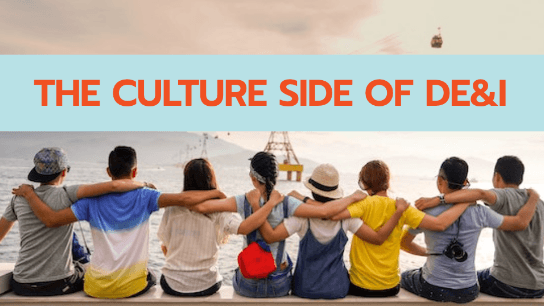
Many organizations are investing heavily in diversity, equity, and inclusion programs, but this investment could go to waste if they aren't also building a workplace culture that will allow that work to truly stick. In this course, we will identify the specific cultural patterns that will make or break your diversity and inclusion work, whether you're just starting out with informal conversations, running extensive training programs, making broader structural changes, or even integrating inclusion with your strategy operations. Each level of diversity work requires certain cultural patterns to be in place, and we will identify those patterns and come up with strategies to strengthen them, so your DE&I work will be more successful.

Global keynote speaker – author and consultant – culture scientist.
Jamie is a speaker, author, consultant, and culture scientist who helps leaders uncover the genius inside their workplace cultures. With 30+ years of experience in conflict resolution, generations, and culture change, Jamie is also the author of four popular business books, including the award-winning Non Obvious Guide to Employee Engagement and his 2024 release, Culture Change Made Easy: See Your Hidden Workplace Patterns and Get Unstuck . He holds a Master’s in conflict resolution from George Mason and a certificate in Organization Development from Georgetown, where he has served as adjunct faculty.
Professional development requirements vary by profession, country, and regulatory body. Before enrolling, review the course details and confirm that the content, learning format, and any listed credits meet your specific requirements. You are responsible for confirming eligibility with your regulator or professional association and keeping the records required for reporting.
