by learnformula
search
For Business
Team license & compliance management
For Higher Education
Academic partnerships
For Government Agencies
Government training solutions
For Instructors & Course Creators
Teach on our marketplace
Become a Sponsor
Reach professionals where they learn
Log inStart 7-Day Free TrialStart Free TrialStart Free Trial
search
  1. Courses
  2. /Ethics & Professional Responsibility
  3. /Professional Responsibility

Trauma-Informed Legal Practice: Improving Client Outcomes and Professional Decision-Making

Transform your legal advocacy by mastering trauma-informed strategies that build client trust, mitigate burnout, and sharpen professional judgment.
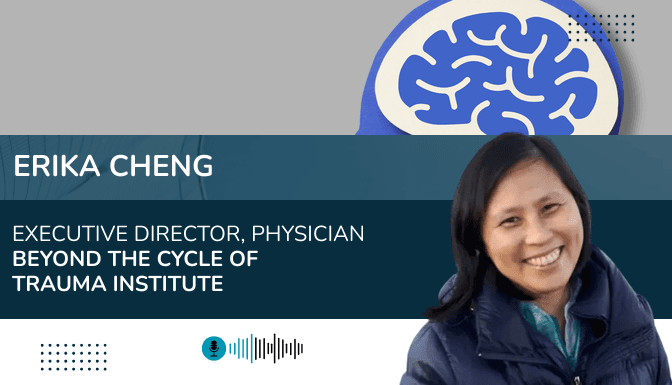
Created byErika Cheng
BeginnerUpdated Oct 26, 2026
Trauma-Informed Legal Practice: Improving Client Outcomes and Professional Decision-Making

What You'll Learn

  • check_circleExplain how trauma can influence behaviour, communication, and decision-making within legal environments
  • check_circleIdentify common trauma responses that may affect client interactions and legal processes
  • check_circleAssess how stress dynamics can influence lawyer-client relationships and conflict escalation
  • check_circleEvaluate practical approaches for improving communication and reducing retraumatisation risks
  • check_circleApply trauma-informed strategies while maintaining professional and ethical responsibilities

About This Course

Lawyers frequently work with individuals experiencing significant stress, conflict, crisis, loss, and trauma, yet many legal processes remain structured around assumptions that do not reflect how trauma can influence communication, memory, emotional regulation, behaviour, and decision-making. Misinterpreting trauma responses can affect client relationships, increase conflict, create professional frustration, and contribute to poorer outcomes for both clients and practitioners.

This session examines legal practice through a trauma-informed perspective, focusing on how lawyers can better understand behavioural responses arising from trauma while maintaining professional boundaries, ethical obligations, and effective representation. The course explores brain-based approaches to communication, common interaction patterns in high-stress environments, the impact of trauma on legal processes, and practical strategies for improving client engagement and reducing professional strain.

Key Topics Discussed:

  • Trauma and stress responses within legal contexts
  • Brain-based approaches to understanding behaviour
  • Trauma and memory considerations
  • Communication challenges in high-conflict situations
  • Recognising retraumatisation risks in legal processes
  • Lawyer-client relationship dynamics
  • Professional boundaries and ethical considerations
  • Secondary trauma and professional burnout risks
  • Trauma-informed interviewing techniques
  • Reducing conflict escalation and improving outcomes
  • Building psychologically safer legal environments
  • Lessons from trauma-informed practice models

Your Instructor

Erika Cheng

Executive Director, Physician | Beyond the Cycle of Trauma Institute

menu_book1 courses

Erika Cheng is a Family Physician who does emergency, hospital and clinic work. She also served for many years as the local medical director, and provides Trauma-and Dissociation-focused psychotherapy. Her areas of interest includes ways to positively shift the negative dynamics that often occurs when those who have experienced early relational trauma intersect with healthcare, educational and other services – dynamics leading to increased stress and burnout for providers, and worsened outcomes and retraumatization in Survivors. It was this interest that led to her passion for teaching frontline workers brain-based, healing-aligned skills for working more effectively with people who have a history of trauma. She is also the Executive Producer and co-writer of the “Reaching Past the Cycle of Trauma” © series of short films, and serves as Executive Director of the nonprofit organization, Beyond the Cycle of Trauma Institute.

Credit Information

Professional development requirements vary by profession, country, and regulatory body. Before enrolling, review the course details and confirm that the content, learning format, and any listed credits meet your specific requirements. You are responsible for confirming eligibility with your regulator or professional association and keeping the records required for reporting.

What Students Are Saying

0.0 out of 5
Student's Choice
0 reviews

Frequently Asked Questions

We are a registered provider with 300+ associations and regulatory bodies worldwide. We operate across 27 global markets including Canada, the US, Australia, and the UK. Every course page clearly displays its specific accreditations. Upon completion, you receive a professional certificate that can be validated online. Our certificates include all necessary accreditation details, credit hours, and completion dates, and are formatted specifically to meet the submission requirements of most global regulatory bodies.

You May Also Like

  • Accounting & Tax: Technology for Accountants

    Claude Fundamentals for Accountants (2026 Update)

    starRated5.0out of 5,(581 reviews)
    2.5 CPD hrs
  • Ethics: Business Ethics

    2026 Ethics and Corporate Compliance

    starRated5.0out of 5,(497 reviews)
    2 CPD hrs
  • Accounting & Tax: Accounting

    Elevating the Value of Variance Analysis

    starRated5.0out of 5,(48 reviews)
    4.5 CPD hrs