
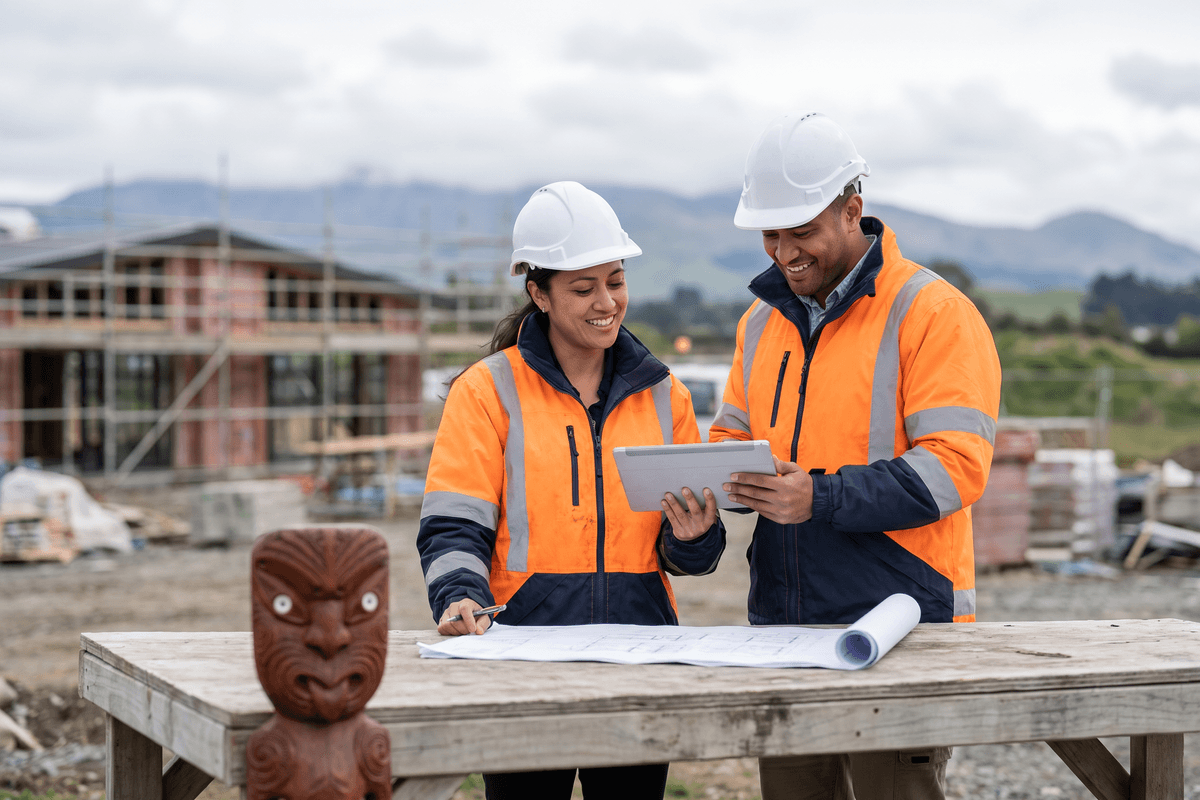

The modern engineering consultancy in Aotearoa New Zealand looks markedly different than it did a generation ago. Where project kick-offs once focused strictly on geotechnical core samples, structural load calculations, and cut-and-fill balances, today’s major infrastructure milestones are shaped equally by cultural narratives, environmental guardianship, and deep engagement with mana whenua. This evolution is no longer an optional overlay or a corporate social responsibility footnote—it has become a foundational pillar of professional practice.
Reflecting on this transformation during Te Wiki o te Reo Māori, Engineering New Zealand highlighted the theme Ake ake ake – A Forever Language, examining how te reo Māori, tikanga, and cultural competence are actively woven into the day-to-day discipline of engineering across the country. Yet this cultural maturation arrives at a critical operational juncture. With the Government granting fast-track approval for major undertakings like Auckland’s North-West Rapid Transit corridor along State Highway 16, engineering leaders face an urgent practical challenge: how to maintain genuine cultural integration and environmental integrity while delivering high-speed civil infrastructure at record pace.
Beyond the Lexicon: Cultural Competency as Core Engineering Practice
For decades, the interface between engineering and indigenous knowledge was largely transactional, often relegated to external liaison officers or bolted on during the final stages of the resource consent process. Today, the professional standard has shifted decisively toward internal capability and early co-design.
Engineering New Zealand’s emphasis on Ake ake ake underscores that incorporating te reo Māori and understanding Te Tiriti o Waitangi principles are vital technical enablers. When engineers understand the cultural geography of a catchment—recognising the spiritual and ecological significance of a mātāpuna (headwater) or the historical boundaries of a pā site—design outcomes change fundamentally. Drainage designs evolve from hard-piped concrete culverts into daylighted swales; cut slopes are engineered to respect underlying geological tapu; and structural forms incorporate local identity directly into the built environment.
"Embedding te reo Māori and cultural competence across our engineering community is not about symbolic gesture; it is about expanding our problem-solving lens to create infrastructure that endures across generations."
— Engineering New Zealand Reflections on Te Wiki o te Reo Māori
This holistic perspective aligns naturally with modern engineering trends toward circular economy principles, low-carbon materials, and nature-based solutions. Concepts central to Te Ao Māori, such as kaitiakitanga (guardianship) and mauri (life force), serve as rigorous conceptual frameworks for sustainable stormwater management, seismic resilience, and soil preservation.
The Fast-Track Crucible: Delivering the North-West Rapid Transit Route
The practical application of this dual fluency—technical prowess matched with cultural acumen—is currently facing its most demanding test within Auckland's rapidly expanding western corridor. The recent ministerial decision to fast-track the North-West Rapid Transit Project along SH16 sets in motion an extensive programme of public transport civil and structural works.
Connecting the city centre to Westgate and beyond, this corridor traverses dense urban networks, highly sensitive coastal marine environments along the Waitematā Harbour, and low-lying estuarine floodplains prone to significant tidal and meteorological events. Delivering this project under an accelerated timeline requires civil and structural engineers to address multifaceted challenges:
- Complex Geotechnical Foundations: Marine muds and soft reclamation soils along the coastal motorway margins demand innovative ground-improvement techniques, lightweight embankments, and deep-piled viaduct structures.
- Catchment-Scale Hydrology: Constructing dedicated busway or light rail alignments adjacent to an active motorway requires sophisticated stormwater attenuation that protects coastal water quality and avoids exacerbating upstream flood risks in established suburbs.
- Mana Whenua Partnership under Time Pressure: Fast-track processes compress traditional consultation windows, placing a premium on established relationships and immediate, proactive iwi engagement from the very first conceptual alignment drawings.
Engineers leading these packages cannot afford to treat cultural and environmental considerations as secondary. In compressed delivery programmes, unaddressed mana whenua concerns or overlooked ecological values do not merely present ethical issues—they represent critical path risks that can trigger legal injunctions, public opposition, and costly on-site redesigns during earthworks.
Comparing Infrastructure Paradigms: Traditional vs. Culturally Integrated Delivery
The contrast between legacy project delivery and a culturally integrated, fast-tracked engineering workflow illustrates why dual competence has become essential across the project lifecycle.
| Project Phase | Conventional Engineering Approach | Culturally Integrated & Accelerated Approach |
|---|---|---|
| Scoping & Alignment | Alignment determined purely by property boundaries, geometric constraints, and earthwork economics. | Co-design with mana whenua from day one; corridor respects cultural landmarks, watercourses, and ecological corridors. |
| Consenting & Approvals | Adversarial or transactional hearings; standard AEE (Assessment of Environmental Effects) documentation. | Collaborative fast-track documentation integrating Cultural Impact Assessments (CIAs) directly into geotechnical and stormwater solutions. |
| Hydrology & Drainage | Hard engineering solutions: concrete culverts, underground tanks, rapid runoff discharge into marine receiving environments. | Nature-based solutions: wetland bio-retention, daylighted channels, enhancing the mauri of waterways while achieving 100-year flood attenuation. |
| Asset Handover & Legacy | Functional transport asset with standard utilitarian architecture. | Resilient civic infrastructure that embodies local narrative, enhances biodiversity, and earns long-term community stewardship. |
Building Institutional Capability: What Engineering Firms Must Do
For engineering consultancies, contractors, and local government infrastructure teams, adapting to this operating reality requires structural investment in professional development and organizational culture. As Chartered Professional Engineer (CPEng) assessments increasingly reflect obligations to public welfare, Te Tiriti, and sustainability, firms must operationalize cultural competence across all seniority levels.
1. Embedding Cultural Competency into Technical Onboarding
Understanding local history, iwi boundaries (rohe), and Treaty principles should be treated with the same institutional rigor as health and safety induction. Junior and migrant engineers—who form a vital share of New Zealand's technical workforce—need structured guidance on the cultural landscapes they are designing within.
2. Adopting Bilingual Technical Documentation
Following Engineering New Zealand's lead during Te Wiki o te Reo Māori, leading consultancies are integrating te reo Māori into drawing titles, engineering reports, signage, and technical glossaries. Normalizing terms related to land (whenua), water (wai), community (hapori), and sustainability (toitūteanga) bridges communication gaps between technical teams and iwi partners.
3. Early Contractor and Iwi Involvement (ECI)
Fast-track models like the North-West Rapid Transit route succeed only when constructor knowledge and iwi oversight are pulled into early design phases. Establishing dedicated Mana Whenua Governance Groups early ensures that design modifications—such as bridge pier placements or earthwork spoil management—are resolved before detailed engineering packages are finalized.
Looking Ahead: The New Standard of Engineering Excellence
The narrative that speed and cultural integration are mutually exclusive is rapidly dissolving. As demonstrated by recent multi-billion-dollar programmes across Aotearoa, projects that invest deeply in mana whenua partnerships and environmental guardianship from inception experience fewer design iterations, streamlined consenting pathways, and superior public buy-in.
The ongoing push for accelerated infrastructure delivery—epitomized by the greenlighting of Auckland's North-West rapid transit corridor—does not diminish the importance of Te Ao Māori; it amplifies it. Engineers who master both advanced technical disciplines and cultural fluency will define the future of New Zealand’s built environment, delivering public assets that are structurally sound, environmentally restorative, and enduringly connected to the land.